
A fountain of red wine, the best cheeses in the world, fashion capital, Galileo's big...

A fountain of red wine, the best cheeses in the world, fashion capital, Galileo's big...
The Italy is a highly developed country located in Europe. Its history is characterized by...
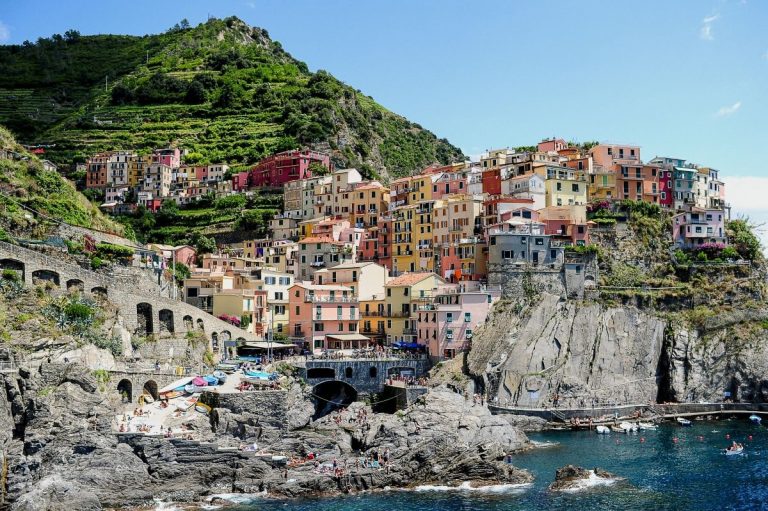
The Italy is a highly developed country located in Europe. Its history is characterized by the union of diverse peoples who inhabited the region in the Italian peninsula through the formation of a state, which...
A fountain of red wine, the best cheeses in the world, fashion capital, Galileo's big toe in a museum, the greatest number of world heritages… Are you considering traveling to...
The Italy is a highly developed country located in Europe. Its history is characterized by the union of diverse peoples who inhabited the region in the Italian peninsula through the...
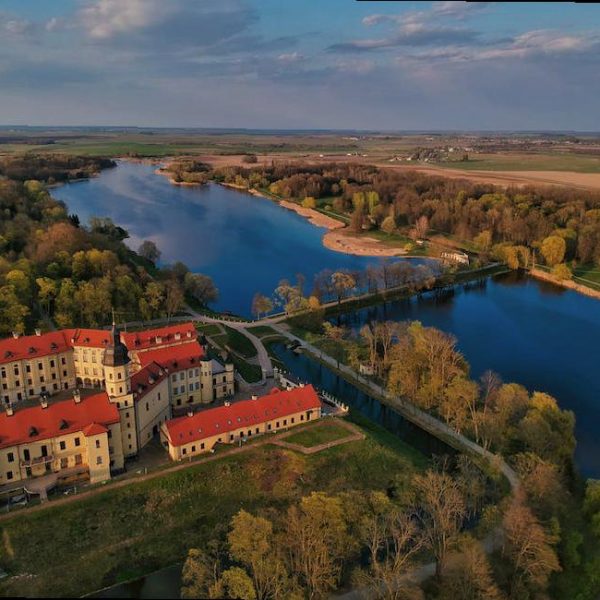
There’s nothing quite like a good old-fashioned road trip to get your creative juices flowing. Whether it’s a weekend getaway or a cross-country odyssey, there’s something special about the freedom of being on the open road. And while the sights,…

For many travelers, one of the primary reasons to visit Barcelona is to experience the city’s rich and varied gastronomic culture. Barcelona is renowned for its unique and delicious cuisine, which is a mix of traditional Catalan flavors and modern…
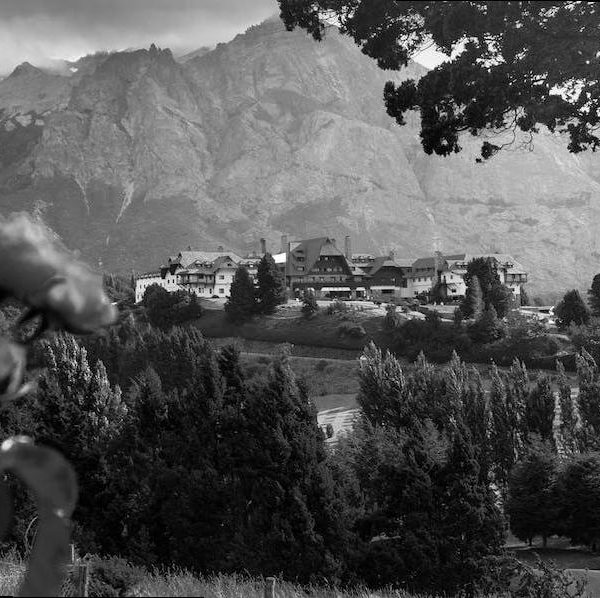
1.Choose the Right Time of Day: When planning an unforgettable scenic drive, it is important to consider the best time of day to set out on your journey. If you are planning to drive through mountains or alongside winding roads,…
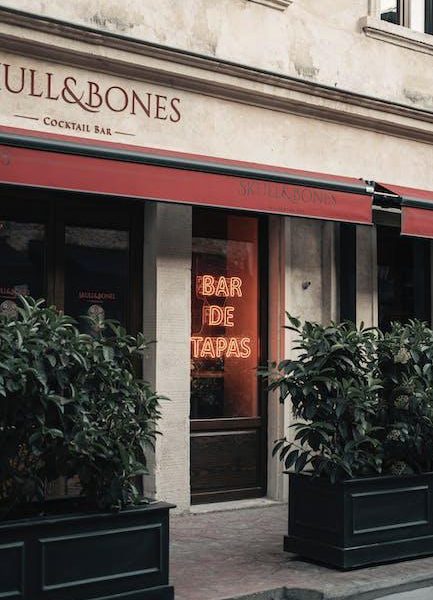
Going on a cruise can be a wonderful way to spend a vacation. But it can also be an expensive one. Fortunately, there are many ways to save money on your next cruise vacation. Here are some tips and strategies…

Nowadays, more and more people are taking wellness vacations to relax and rejuvenate. While wellness vacations are great for reducing stress and improving overall health, it is important to stay safe while traveling. Here are some tips for staying safe…